Introduction
Not very long ago, disinfection was seen as a reactive measure something organizations focused on during outbreaks, flu seasons, or health scares. In 2026, that mindset is no longer relevant.
Today, disinfection has become a permanent part of how organizations function. Whether it is a hospital, diagnostic lab, pharmaceutical plant, corporate office, school, or manufacturing facility maintaining a hygienic and disinfected environment is now a fundamental responsibility, not an added precaution.
This shift is driven by evolving health risks, changing public expectations, stricter regulations, and a deeper understanding of how infections spread in shared spaces. Disinfection is no longer optional because the cost of ignoring it to health, business continuity, and trust is simply too high.
1. A Changing Global Health Landscape
The world has become more interconnected than ever before. Increased urban density, global travel, and longer life expectancy mean that more people are sharing spaces more frequently.
At the same time, we are seeing:
- A rise in antibiotic-resistant microorganisms
- Higher vulnerability among aging populations
- Increasing lifestyle-related immune disorders
- New and re-emerging infectious diseases
These factors have transformed infection prevention from a hospital-only concern into a societal one. Prevention is now more effective and more economical than treatment and disinfection is the first line of defense.
2. Workplaces Have Become Public Health Spaces
In 2026, a workplace is no longer just a place to work, it is a shared ecosystem of health.
Employees touch dozens of shared surfaces every day:
- Desks, keyboards, and phones
- Meeting room tables and equipment
- Pantry appliances and water dispensers
- Washroom fixtures and elevator panels
Even a single asymptomatic carrier can spread infections silently. This leads to increased sick leaves, productivity losses, healthcare costs, and even legal or reputational risks for organizations.
Routine disinfection is no longer about cleanliness alone,it is about safeguarding people, productivity, and business resilience.
3. Hygiene Is Now a Trust Signal
Patients choose hospitals based on hygiene. Employees choose employers based on safety. Customers choose brands based on responsibility.
Visible hygiene has become a powerful signal of trust.
When people see that an organization takes hygiene seriously, it communicates:
- Respect for human life and well-being
- Professionalism and accountability
- Compliance with standards and ethics
- A long-term commitment to safety
In many ways, hygiene has become part of brand identity.
4. Regulatory Expectations Are Rising
Governments and regulatory bodies are increasingly formalizing hygiene and infection control standards across industries. Audits, certifications, and compliance frameworks now require organizations to:
- Maintain documented infection control protocols
- Use approved disinfectants and processes
- Train staff regularly
- Monitor and review hygiene practices
Failure to comply is no longer a minor operational issue; it can lead to penalties, closure notices, legal action, or reputational damage.
Proactive disinfection ensures compliance is embedded into daily operations rather than treated as an emergency response.
5. Disinfection Is a System, Not a Product
Many organizations still view disinfection as a purchase decision choosing a chemical or a product. In reality, effective disinfection is a system.
It involves:
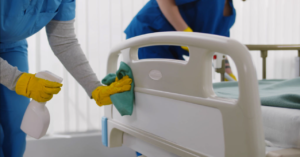
- Selecting the right disinfectant for the right surface and environment
- Ensuring correct dilution, contact time, and application methods
- Training housekeeping and technical staff properly
- Periodically reviewing protocols for effectiveness and safety
Without this structured approach, even the best products fail to deliver results.
6. Sustainable Disinfection Is the Future
As awareness grows, organizations are also seeking solutions that are:
- Effective against a broad spectrum of pathogens
- Safe for people and surfaces
- Environmentally responsible
- Cost-effective over the long term
Sustainable disinfection balances safety, efficacy, and environmental impact ensuring that hygiene practices protect both human and planetary health.
You can go through these products: Miracle Industries
Conclusion: Disinfection as Core Infrastructure
In 2026, disinfection is no longer an operational add-on. It is core infrastructure as essential as power, water, internet, and security.
Organizations that invest in structured, sustainable disinfection practices are investing in:
- Health protection
- Business continuity
- Regulatory compliance
- Brand trust
- Social responsibility
Disinfection is no longer optional because safety is no longer negotiable.
It is the foundation of modern, responsible, and resilient organizations.
Frequently Asked Questions (FAQs)
1. Why is disinfection considered essential in 2026?
Disinfection is essential in 2026 because of increased global mobility, rising antibiotic resistance, and higher vulnerability among populations. Shared spaces have become key transmission points, making routine disinfection necessary to prevent illness, protect people, and ensure business continuity.
2. How is disinfection different from cleaning?
Cleaning removes visible dirt and organic matter from surfaces, while disinfection kills or inactivates harmful microorganisms. Both are important, but disinfection is critical for preventing the spread of infections, especially in healthcare and high-traffic environments.
3. Which industries need structured disinfection protocols?
Hospitals, diagnostic labs, pharmaceutical plants, food processing units, corporate offices, schools, manufacturing facilities, and public spaces all require structured disinfection protocols due to high human contact and shared surface usage.
4. How does hygiene influence trust and brand reputation?
Visible hygiene signals responsibility, professionalism, and care. Patients, employees, and customers associate clean environments with safety and quality, which directly influences trust, loyalty, and brand perception.
5. What are the risks of poor disinfection practices?
Poor disinfection can lead to increased infections, higher absenteeism, regulatory penalties, legal risks, reputational damage, and loss of trust among employees, patients, and customers.
6. What does a “disinfection system” mean?
A disinfection system includes choosing the right disinfectant, using correct dilution and contact times, training staff properly, monitoring compliance, and regularly reviewing protocols, not just purchasing a product.
7. How often should workplaces be disinfected?
High-touch surfaces should be disinfected multiple times a day. Common areas, washrooms, and shared equipment should follow scheduled disinfection routines based on footfall and risk level.
8. Are eco-friendly disinfectants effective?
Yes, many modern eco-friendly disinfectants are effective against a broad spectrum of pathogens while being safer for people, surfaces, and the environment when used correctly.