
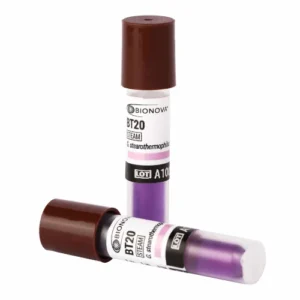
In modern healthcare, patient safety depends not only on skilled clinicians and advanced infrastructure but also on invisible systems that work silently in the background. One such critical system is sterilisation monitoring, and at the heart of it lies the Biological Indicator (BI).
While chemical indicators and digital readouts may suggest that a sterilisation cycle has “passed,” only biological indicators can confirm one essential truth: were all microorganisms actually destroyed? This makes biological indicators indispensable in hospitals, clinics, laboratories, and CSSD departments.
What Are Biological Indicators?
Biological Indicators are standardized test systems containing highly resistant micro organisms typically bacterial spores used to validate the effectiveness of sterilisation processes. These spores are intentionally chosen because they are far more difficult to kill than common pathogens.
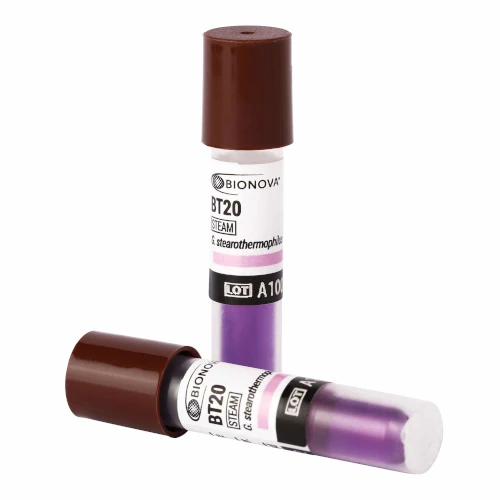
If a sterilisation cycle can inactivate these resistant spores, healthcare professionals can be confident that harmful bacteria, viruses, and fungi have also been eliminated.
Common sterilisation methods monitored using biological indicators include:
- Steam (autoclave)
- Hydrogen peroxide plasma
- Ethylene oxide (EtO)
- Formaldehyde and other low-temperature processes
Why Biological Indicators Matter More Than Ever
1. They Provide the Highest Level of Sterilisation Assurance
Unlike chemical indicators, which only react to physical conditions such as temperature or time, biological indicators directly measure microbial kill. This makes them the gold standard for sterilisation validation.
In critical healthcare environments, operating theatres, ICUs, and surgical instrument reprocessing assumptions are risky. Biological indicators replace assumptions with scientific certainty.
2. They Help Prevent Hospital-Acquired Infections (HAIs)
Hospital-acquired infections remain a global challenge, increasing patient morbidity, mortality, and healthcare costs. One unnoticed sterilisation failure can contaminate surgical instruments, leading to serious post-operative infections.
Routine use of biological indicators helps:
- Detect sterilisation failures early
- Prevent contaminated instruments from reaching patients
- Strengthen infection control protocols
In this way, biological indicators play a direct role in protecting patient lives.
3. They Are Essential for Regulatory Compliance
Healthcare facilities operate under strict regulatory frameworks. Standards from organisations such as:
explicitly require routine biological monitoring of sterilisation systems. Failure to comply can lead to audits, penalties, or even suspension of operations.
Biological indicators provide documented proof of compliance, offering reassurance during inspections and audits.
4. They Validate New Equipment and Processes
Whenever a healthcare facility:
- Installs a new steriliser
- Modifies an existing cycle
- Changes packaging or load configuration
Biological indicators are mandatory for validation. They ensure that changes in workflow or technology do not compromise sterility.
This makes BIs especially important during expansions, upgrades, or process optimisation initiatives.
Biological Indicators vs Chemical Indicators: A Critical Difference
Chemical indicators are useful, but they only confirm that conditions were met, not that sterilisation was successful.
| Aspect | Chemical Indicators | Biological Indicators |
| What they measure | Time, temperature, exposure | Actual microbial kill |
| Reliability | Indirect | Direct and definitive |
| Regulatory importance | Supportive | Mandatory |
| Role in audits | Secondary | Primary evidence |
For high-risk medical devices, relying only on chemical indicators is insufficient. Biological indicators complete the sterilisation assurance cycle.
Role of Rapid and Instant Biological Indicators
Traditional biological indicators often required 24–48 hours for results. Modern healthcare, however, demands speed without compromising safety.
Rapid and instant biological indicators now deliver results in minutes or seconds, enabling:
- Faster instrument release
- Reduced downtime in CSSD
- Immediate corrective action if failures occur
This is particularly valuable in high-volume hospitals where operational efficiency is as critical as safety.
How Biological Indicators Strengthen CSSD Operations
Central Sterile Services Departments (CSSDs) rely on consistency and traceability. Biological indicators support this by:
- Establishing routine monitoring schedules
- Creating verifiable sterilisation records
- Helping staff identify trends or recurring issues
Economic Impact: Prevention Is Cheaper Than Treatment
While biological indicators represent a small recurring cost, the financial impact of a sterilisation failure can be massive:
- Extended patient stays
- Legal liability
- Reputation damage
- Reprocessing and recall costs
From a cost-benefit perspective, biological indicators are one of the highest ROI safety tools in healthcare.
Building a Culture of Sterilisation Accountability
Beyond technology, biological indicators encourage accountability. They reinforce the mindset that sterilisation is not a routine checkbox but a critical patient safety process.
When healthcare teams consistently rely on BIs, it fosters:
- Discipline in reprocessing workflows
- Confidence among surgeons and clinicians
- Trust among patients and regulators
Conclusion: Small Indicators, Massive Impact
Biological indicators may be small, but their impact on healthcare safety is profound. They provide the only direct evidence that sterilisation has truly worked, making them indispensable in today’s healthcare ecosystem.
In an era where patient safety, regulatory scrutiny, and operational efficiency intersect, biological indicators are not optional. They are non-negotiable safeguards that protect patients, healthcare professionals, and institutions alike.
Frequently Asked Questions
1. How often should biological indicators be used in healthcare sterilisation?
Biological indicators should be used at least weekly for each steriliser and for every load containing implantable devices, as per standard guidelines.
2. Are biological indicators mandatory if chemical indicators are used?
Yes. Chemical indicators cannot replace biological indicators, as only BIs confirm actual microbial destruction.
3. Do rapid biological indicators compromise accuracy for speed?
No. Modern rapid biological indicators are scientifically validated to provide fast results without sacrificing reliability.