Infection control has always been a cornerstone of safe and effective healthcare. But in the wake of global health challenges, evolving patient expectations, and rapid technological advancement, infection prevention is no longer just about cleaning, it’s about intelligence, innovation, and integrated safety solutions. The future of infection control lies in smarter products that empower healthcare facilities to deliver safer, more reliable care.
With high-quality infection control solutions, hospitals and clinics can maintain impeccable hygiene standards, protect patients and staff, and meet regulatory requirements. Visit Miracle Industries to explore products designed to support advanced infection prevention protocols.
What “Smarter” Infection Control Really Means
Traditionally, infection control products were judged by one simple question: Does it disinfect? Today, “smarter” encompasses far more:
Data-Driven Insights
Modern infection control tools help healthcare facilities monitor hygiene trends, predict risk areas, and benchmark performance. For example:
- How often are high-touch surfaces disinfected?
- Which zones show recurrent contamination?
- What products yield the best efficacy per use?
By leveraging this information, hospitals can refine protocols and allocate resources more effectively.
Innovative Product Design
Smarter products are engineered with the real world in mind:
- Ergonomic dispensers that prevent cross-contamination
- Formulations that work quickly without damaging surfaces
- Solutions that balance effectiveness with user safety
Integration with Healthcare Workflows
A critical feature of future infection control products is workflow integration. Products must:
- Fit seamlessly into the routines of busy healthcare professionals
- Support compliance without adding complexity
- Interoperate with digital monitoring systems
This approach minimizes disruptions and maximizes safety, allowing staff to focus on patient care with confidence.
Sustainability in Infection Control
The next generation of infection control must balance performance with environmental responsibility. This includes:
- Eco-friendly disinfectant formulations
- Refillable and recyclable packaging
- Reduced chemical load without compromising effectiveness
Sustainable solutions ensure that high hygiene standards do not come at the expense of the environment.
Emerging Technologies Shaping Infection Control
Several technological trends are changing the landscape:
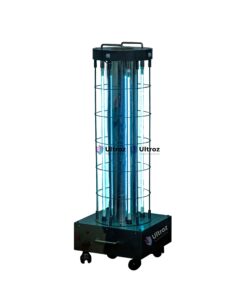
- UV-C Disinfection Systems: Automated UV disinfection robots that reduce microbial load without harmful chemicals.
- Antimicrobial Surface Coatings: Long-lasting treatments that inhibit pathogen growth between cleanings.
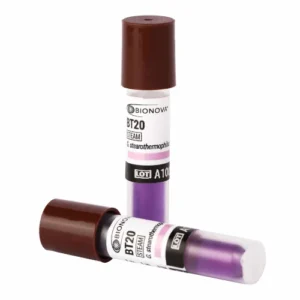
- Smart Dispensers & Sensors: Devices that track usage, ensure optimal dosing, and improve compliance.
These innovations are already being implemented in advanced healthcare settings worldwide.
Why Smarter Infection Control Matters More Than Ever
As healthcare systems evolve, so do the challenges in maintaining safety. Rising patient volumes, antibiotic-resistant organisms, and higher expectations for quality care have elevated infection control from a background task to a strategic priority.
Smarter products help healthcare facilities:
Reduce healthcare-associated infections (HAIs)
Improve patient trust and satisfaction
Enhance staff safety and morale
Streamline compliance with regulatory standards
Conclusion: A Safer Tomorrow with Smarter Products
The future of infection control lies at the intersection of innovation, intelligence, and operational excellence. Smarter infection control products are not just tools, they are enablers of safer healthcare outcomes.
For high-quality solutions designed to meet modern infection prevention needs, visit Miracle Industries.
FAQs: Smarter Infection Control
Q1: What makes an infection control product “smart”?
A: Smart infection control products integrate advanced technology, ergonomic design, and data-driven insights, helping improve hygiene, monitor compliance, and reduce risks effectively.
Q2: How can healthcare facilities measure the effectiveness of infection control protocols?
A: Regular audits, microbial testing, digital monitoring systems, and usage tracking of disinfectants can help assess the effectiveness of hygiene practices.
Q3: Are sustainable disinfectants as effective as traditional chemical products?
A: Yes. Eco-friendly formulations are developed to maintain high efficacy while reducing environmental impact, making them a viable option for modern healthcare facilities.
Q4: What role does technology play in modern infection control?
A: Emerging technologies like UV-C disinfection, antimicrobial coatings, and smart sensors enhance safety, ensure consistent cleaning, and reduce human error.
Q5: Why is infection control more important now than ever?
A: Rising patient volumes, antibiotic-resistant pathogens, and higher hygiene expectations make infection control critical for patient safety, staff protection, and overall healthcare quality.